
Derrida and Textual Animality
Rodolfo Piskorski
- 24 september 2020
- 9783030517311
Samenvatting:
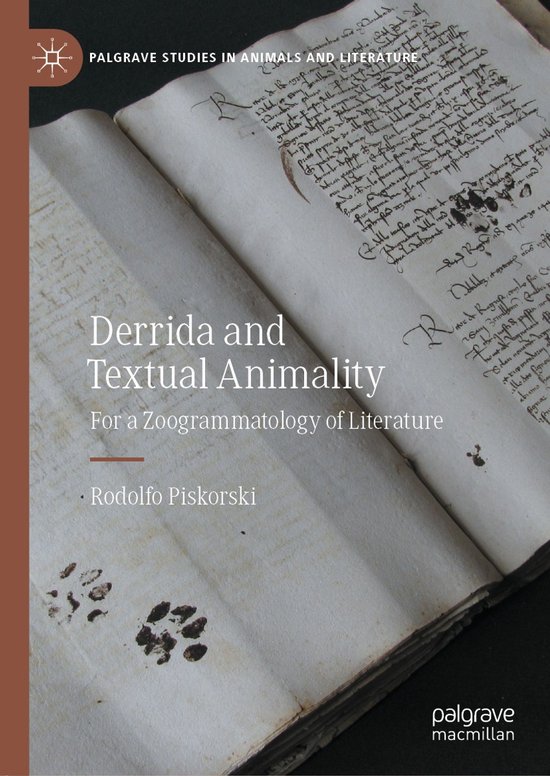
Derrida and Textual Animality: For a Zoogrammatology of Literature analyses what has come to be known, in the Humanities, as ‘the question of the animal’, in relation to literary texts. Rodolfo Piskorski intervenes in the current debate regarding the non-human and its representation in literature, resisting popular materialist methodological approaches in the field by revisiting and revitalising the post-structuralist thought of Derrida and the ‘linguistic turn’. The book focuses on Derrida’s early work in order to frame deconstructive approaches to literature as necessary for a theory and practice of literary criticism that addresses the question of the animal, arguing that texts are like animals, and animals are like texts. While Derrida’s late writings have been embraced by animal studies scholars due to its overt focus on animality, ethics, and the non-human, Piskorski demonstrates the additional value of these early Derridean texts for the field of literary animal studies by proposing detailed zoogrammatological readings of texts by Freud, Clarice Lispector, Ted Hughes, and Darren Aronofsky, while in dialogue with thinkers such as Butler, Kristeva, Genette, Deleuze and Guattari, and Attridge.
Derrida and Textual Animality: For a Zoogrammatology of Literature analyses what has come to be known, in the Humanities, as ‘the question of the animal’, in relation to literary texts. Rodolfo Piskorski intervenes in the current debate regarding the non-human and its representation in literature, resisting popular materialist methodological approaches in the field by revisiting and revitalising the post-structuralist thought of Derrida and the ‘linguistic turn’. The book focuses on Derrida’s early work in order to frame deconstructive approaches to literature as necessary for a theory and practice of literary criticism that addresses the question of the animal, arguing that texts are like animals, and animals are like texts. While Derrida’s late writings have been embraced by animal studies scholars due to its overt focus on animality, ethics, and the non-human, Piskorski demonstrates the additional value of these early Derridean texts for the field of literary animal studies by proposing detailed zoogrammatological readings of texts by Freud, Clarice Lispector, Ted Hughes, and Darren Aronofsky, while in dialogue with thinkers such as Butler, Kristeva, Genette, Deleuze and Guattari, and Attridge.