
Typography
Willi Kunz
- 01 april 2004
- 9783721203486
Samenvatting:
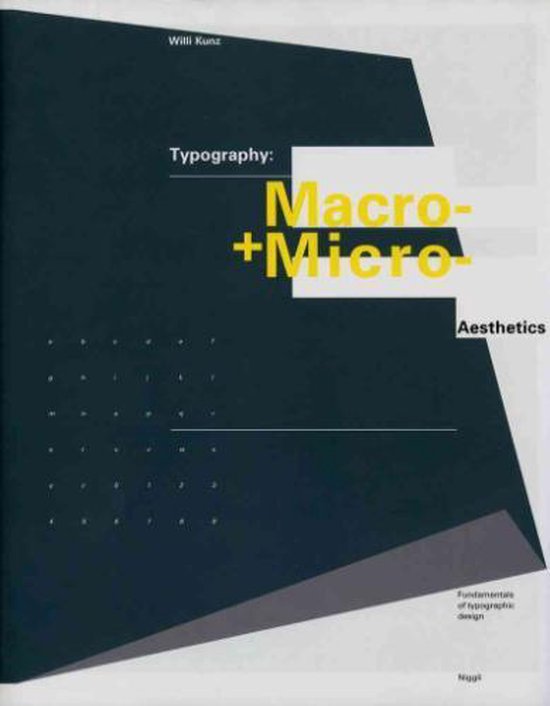
Typographic design begins with a set of information and a concept. The designer, facing a blank sheet of paper or a computer screen, is anxious about the first step to take in developing a design. The elements of typography are an obvious starting point, but often do not get the attention they deserve. A thorough understanding of how letters, words, lines, paragraphs and columns are formed, what makes them unique as design elements, and how they express character and emotion are the most essential tools in the designer's repertoire. The basic principles of typographic design transform the utilitarian quality of words, lines, paragraphs and columns into an aesthetic form that conveys both the intellectual meaning and emotional feeling of the message. Through the relationship between the elements and space, and their rhythm and composition, design not only objectively conveys information but also gives subjective cues for the interpretation of its contents. As a visual form of language, typography is perceived as a whole before its individual parts are read. The surface characteristics of the design the topology create the first impression and derive from the form, size, position, and color of the typographic elements. Captured in a series of transparent diagrams, they reveal a new design dimension and animate the designer to further develop the original conceptual idea. This process provides the designer with a tool for refining, altering, adjusting, deconstructing and reassembling the individual levels to create a finely detailed, cohesive typographic composition.