
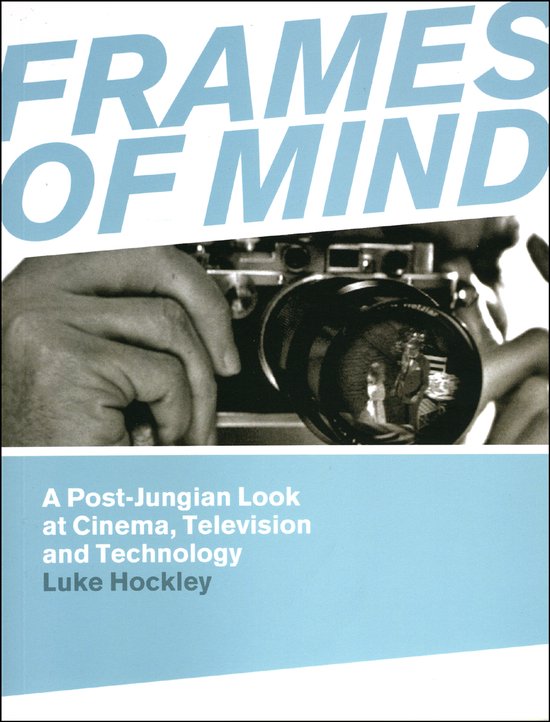
Frames Of Mind
Luke Hockley
- 15 februari 2008
- 9781841501710
Samenvatting:
Introduces post-Jungian analytic psychology and explores how its theories can be applied to television and film. This book contextualises post-Jungian theory in the media criticism canon and explains the role and uses of analytical psychology in film and television criticism.
The eminent psychologist Carl Jung is best known for such indelible contributions to modern thought as the concept of the collective unconscious, but his wide-spread work can also be fruitfully employed to analyze popular culture. Frames of Mind offers an introduction to the world of Post-Jungian film and television studies, examining how Jung’s theories can heighten our understanding of everything from Chinatown and Star Trek to advertisements. In this illuminating psychoanalysis of our media environment, Luke Hockley probes questions such as why we have genuine emotional responses to film events we know to be fictional, why we are compulsively driven to watch television, and how advertisers use unconscious motifs to persuade viewers.