
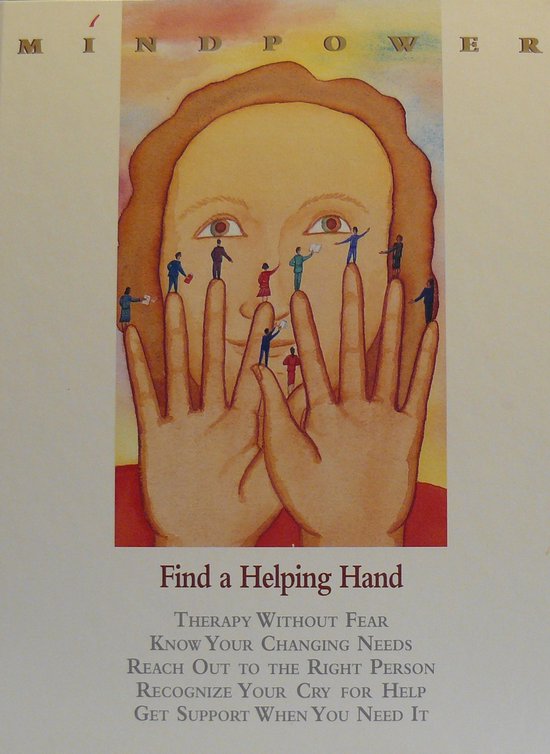
Find a Helping Hand
Tim Cooke
- 9780705416399
Samenvatting:
Find a Helping Hand
ANY OF US FEEL AFRAID or ashamed of our emotional or psychological problems, and refuse to acknowledge a need for outside help, considering it only when we've eliminated all other self-cures and rationalizations, or when we feel desperate. While sometimes it's perfectly possible, and indeed healthy, to overcome a temporary setback by not "giving in," or by talking yourself out of feeling sad or overwhelmed, it may also be a way of refusing to face the reality of a problem and the fact that you can't handle it entirely alone.
As children, the responses we may get from adults become stock phrases we repeat to ourselves: "Cheer up-things could be a lot worse!" "Look on the bright side!" "Think of all the people who are really suffering." We're taught to push all our sad, vulnerable, or frightened feelings to one side and get on with things; complaining is seen as greedy and selfish, and asking for attention or comfort is regarded as both weak and pathetic.