
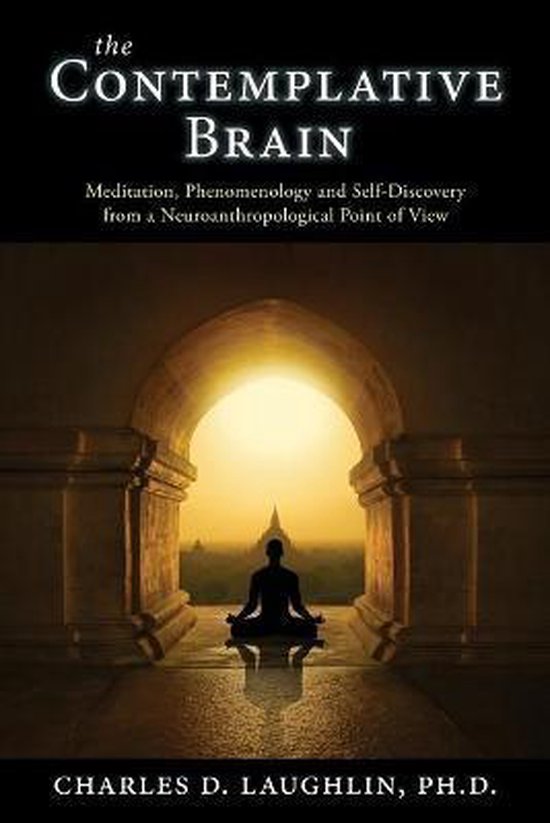
The Contemplative Brain
Charles D Laughlin
- 10 oktober 2020
- 9780994617699
Samenvatting:
The Contemplative Brain offers a comprehensive exploration of the cultural neurophenomenology of contemplation. The book is written by a neuroanthropologist who spent years as a Tibetan Tantric Buddhist monk and who has practiced many different traditions of contemplation, including Buddhist vipassana, Tantric arising yoga, Zen Buddhist zazen, Husserlian transcendental phenomenology, Western Mysteries esoteric Tarot, dream meditation, shamanic journeys, and other approaches to self-discovery. Over the course of half a century of contemplative experience, the author has learned to separate the practices and experiences of meditation traditions from their cultural, ideological, and religious trappings. He discovered that the brain-mind that seeks truth about the external world can be redirected to an exploration of the vast world of the inner Self-the truth-seeking brain in its contemplative mode. The book explains how the brain works to penetrate, understand, and eventually realize its own internal processes. This includes a detailed account of how the brain's sensorium portrays the world and the Self to itself in various alternative states of consciousness. A cross-cultural examination of methods and institutions used by contemplatives in the past and present to achieve self-awareness shows that humans have been interested in phenomenology for thousands of years. Methods for calming, centering, focusing and realization may or may not involve the use of entheogens (psychoactive drugs), ordeals, quests, ascetic lifestyles, hyper-awareness in dream states, and pursuit of mystical episodes, but all involve inherent capacity of the contemplative brain to discover its own nature.