
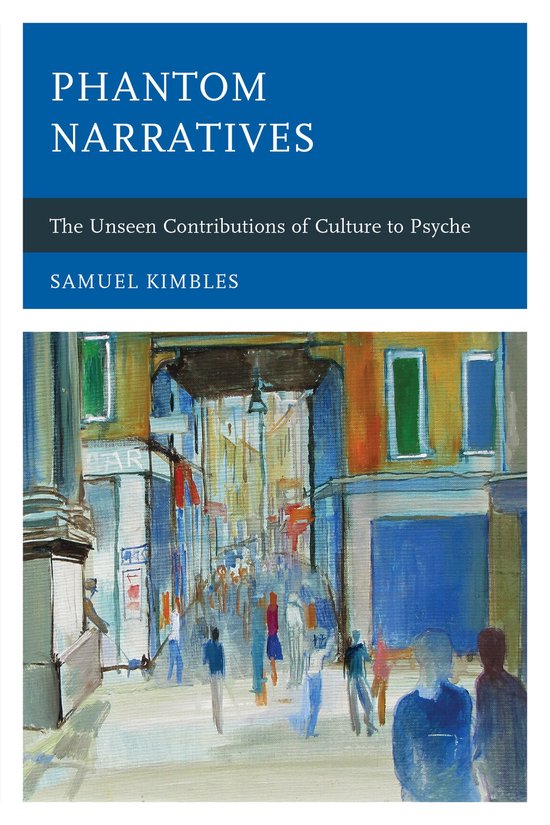
Phantom Narratives
Samuel Kimbles
- 02 juli 2014
- 9781442231894
Samenvatting:
Cultural attitudes operate unconsciously, affecting our own self-perception as well as the way we perceive others. In Phantom Narratives: The Unseen Contributions of Culture to Psyche, Samuel Kimbles argues that it is imperative for a society to question its cultural complexes in order to fully engage its problems.
In Phantom Narratives: The Unseen Contributions of Culture to Psyche, Samuel Kimbles explores collective shadow processes, intergenerational transmission of group traumas, and social suffering as examples of how culture contributes to the formation of unseen, or phantom, narratives. These unseen narratives bundle together a number of themes around belonging, identity, identification, shadow, identity politics and otherness dynamics, and the universal striving for recognition. These dynamics enter the superego of our collective consciousness long before we are conscious of how they contribute to the shaping of our attitudes toward self and others, us and them (significantly contributing to scapegoat dynamics), emotionally generating fascination, possessiveness, disavowal and entitlement, and shame and fear. Also included in this book is an elaboration of Bion’s work on groups in the context of thinking about cultural complexes that helps to flesh out how human groupings generate processes that support and hinder the development of consciousness in both individuals and groups. Kimbles argues that the awareness that can come through an understanding of cultural dynamics as manifested through cultural complexes and cultural phantoms in combination with the development of cultural consciousness can lead to an understanding of how groups can develop and individuals in groups can individuate.