
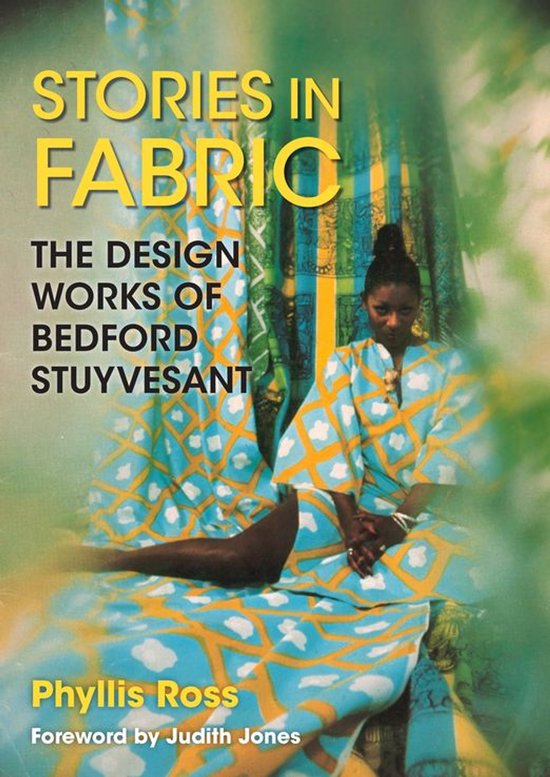
Stories in Fabric
Phyllis Ross
- 04 augustus 2026
- 9781531513269
Samenvatting:
The untold history of a pioneering Black design company in Bed-Stuy whose creativity garnered national attention in the 1970s
In Stories in Fabric: The Design Works of Bedford Stuyvesant, design historian Phyllis Ross uncovers the rise of a groundbreaking African American textile studio founded in Brooklyn in 1969. The Design Works of Bedford Stuyvesant began as a collaboration between Jacqueline Kennedy Onassis and textile designer Leslie Tillett. Through Senator Robert F. Kennedy’s urban renewal vision, they grew it into a nationally recognized brand that celebrated African sources and Black pride, bringing national attention to neighborhood ambition.
Ross follows Design Works from hand-printed textiles to a broader licensing and printing operation that put African-inspired patterns into homes across the country. The company’s visibility soared through high-profile showcases and museum partnerships, including a spectacular Metropolitan Museum event and later exhibitions that showed how its patterns connected to African art, flora, and fauna. These collaborations helped shift perceptions of Bed-Stuy from crisis to creativity and possibility.
At the heart of the story are the people who made the designs and made the business work, including post-war textile designers D. D. Tillett and Leslie Tillett. Early artistic direction came from designers such as Callie Simpson Thomas, followed by head designer Sherl Nero, whose talent and market instincts shaped the brand’s evolution. Under president Mark Bethel, the pivot to licensing carried Design Works into the national marketplace, even as the company continued to navigate tensions among social mission, profitability, and cultural representation.
Drawing on deep archival research and interviews, Ross traces Design Works’ evolution against the backdrop of the Civil Rights and Black Power movements, and the practical realities of community development and corporate partnerships. The result is a vivid portrait of collaboration across communities and institutions, and a reclamation of a significant episode in twentieth-century design and African American urban history.