
Biomedical and Life Sciences (R0) - Coral Reef Resilience in ...
Peter W. Glynn
- 21 juli 2025
- 9783031814211
Samenvatting:
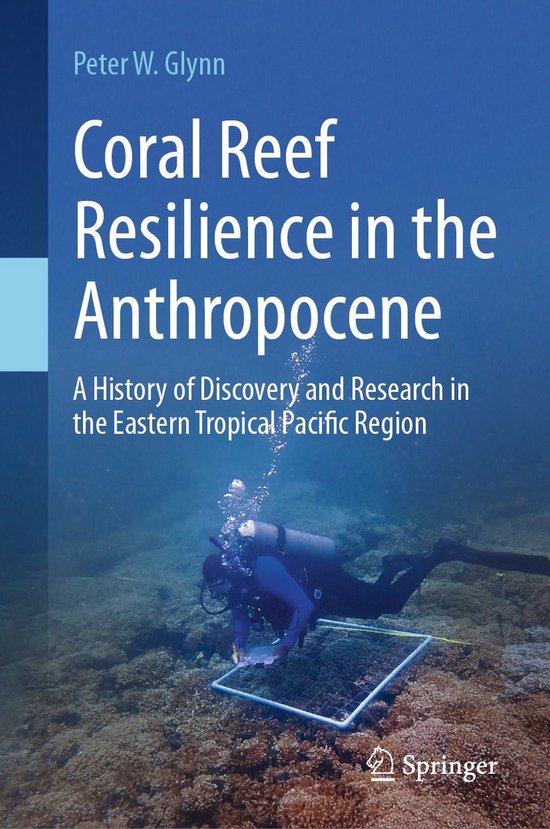
This book chronicles six decades of exploration and ecological studies of Western American coral reefs, a vibrant and diverse ecosystem in a marginal tropical Pacific region that has long been overlooked. It begins with the discovery of pristine coral reefs in Panama in the 1960s, follows the impact of stressful El Niño warming events that caused widespread coral bleaching and mortality in the 1980s-1990s, documents coral recovery in the late 1990s and early 2000s, and addresses the recent resurgence (2023-24) of extreme El Niño events leading to renewed coral mortality and setbacks in reef recovery. The book delves into the challenges posed by the physical environment, including recurring ENSO activity and increasing ocean acidification, and examines key ecological research topics such as coral reproduction, predation, bioerosion, symbioses, and biodiversity. It also highlights recent molecular genetic advancement in understanding coral endosymbionts, species identification, and phylogenetic relationships. Along the way, personal anecdotes from the eastern Pacific coral research team – ranging from exhilarating to amusing, frightening, and occasionally embarrassing – are shared throughout this scientific journey. This narrative offers a glimpse into the community composition of species and their interactions before severe bleaching and widespread coral mortality, information that is necessary to help guide restoration work. Sketches of coral reef animal associates by Peter W. Glynn and the late Charles Messing add an artistic dimension, highlighting the ecological roles of various species within the reef ecosystem. Many students have made significant contributions to the understanding and conservation of eastern Pacific coral reefs, with several going on to pursue careers in academia, research, and restoration, emerging as the next generation of reef scientists. The book concludes with a cautiously optimistic hope that humanity will shift away from reliance on fossil fuels, and that Generation Z (and their future students) will discover ways to restore coral reefs for future generations.