
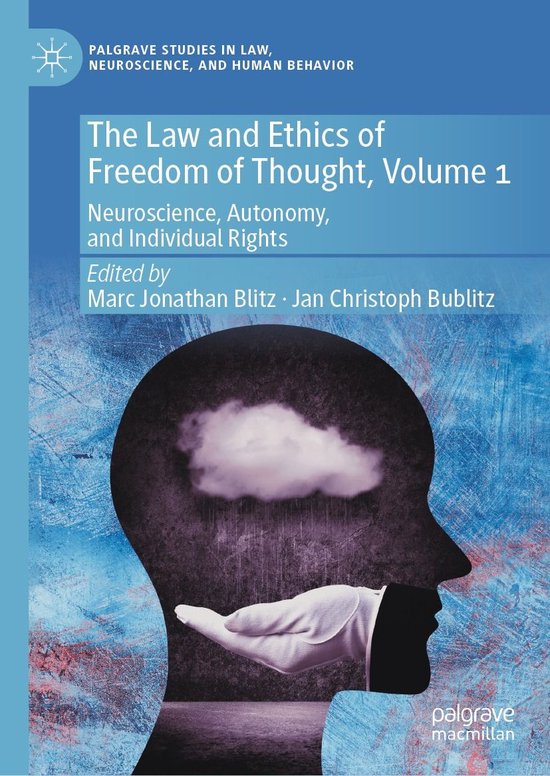
Behavioral Science and Psychology (R0) - The Law and Ethics ...
- 06 december 2021
- 9783030844943
Samenvatting:
Freedom of thought is one of the great and venerable notions of Western thought, often celebrated in philosophical texts – and described as a crucial right in American, European, and International Law, and in that of other jurisdictions. What it means more precisely is, however, anything but clear; surprisingly little writing has been devoted to it. In the past, perhaps, there has been little need for such elaboration. As one Supreme Court Justice stressed, “[f]reedom to think is absolute of its own nature” because even “the most tyrannical government is powerless to control the inward workings of the mind.” But the rise of brain scanning, cognition enhancement, and other emerging technologies make this question a more pressing one. This volume provides an interdisciplinary exploration of how freedom of thought might function as an ethical principle and as a constitutional or human right. It draws on philosophy, legal analysis, history, and reflections on neuroscience and neurotechnology to explore what respect for freedom of thought (or an individual’s cognitive liberty or autonomy) requires.