
Politics and Society in Modern America - The Good Immigrants
Madeline Y. Hsu
- 27 april 2015
- 9781400866373
Samenvatting:
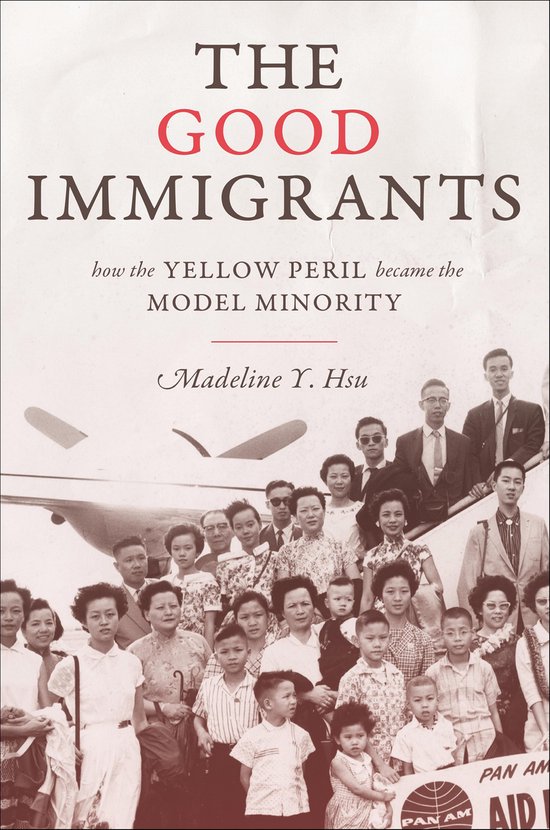
Conventionally, US immigration history has been understood through the lens of restriction and those who have been barred from getting in. In contrast, The Good Immigrants considers immigration from the perspective of Chinese elites—intellectuals, businessmen, and students—who gained entrance because of immigration exemptions. Exploring a century of Chinese migrations, Madeline Hsu looks at how the model minority characteristics of many Asian Americans resulted from US policies that screened for those with the highest credentials in the most employable fields, enhancing American economic competitiveness.
The earliest US immigration restrictions targeted Chinese people but exempted students as well as individuals who might extend America's influence in China. Western-educated Chinese such as Madame Chiang Kai-shek became symbols of the US impact on China, even as they patriotically advocated for China's modernization. World War II and the rise of communism transformed Chinese students abroad into refugees, and the Cold War magnified the importance of their talent and training. As a result, Congress legislated piecemeal legal measures to enable Chinese of good standing with professional skills to become citizens. Pressures mounted to reform American discriminatory immigration laws, culminating with the 1965 Immigration Act.
Filled with narratives featuring such renowned Chinese immigrants as I. M. Pei, The Good Immigrants examines the shifts in immigration laws and perceptions of cultural traits that enabled Asians to remain in the United States as exemplary, productive Americans.