
Lightness Perfected
Etienne Psaila
- 31 december 2025
- 9781970852660
Samenvatting:
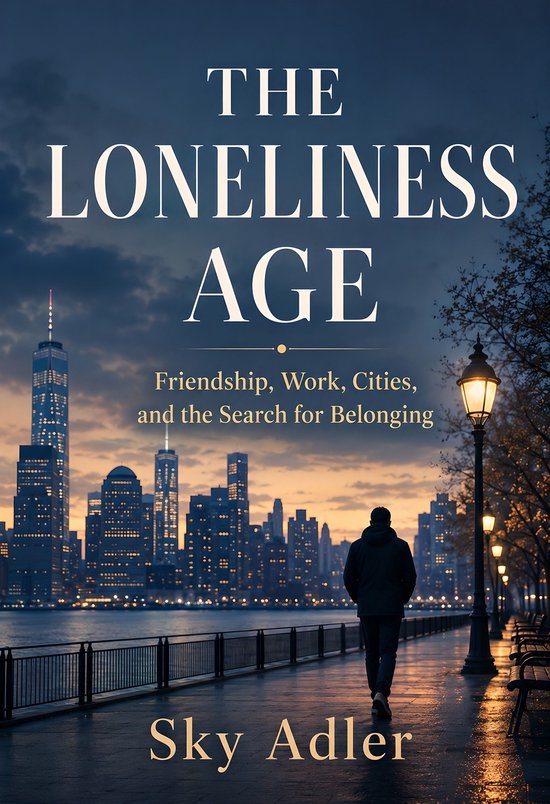
Loneliness has become one of the defining quiet struggles of modern life. It can exist in crowded cities, busy workplaces, active online spaces, marriages, families, classrooms, care homes, and homes filled with noise. It is not simply a private sadness or a personal failure. It is shaped by the way people now work, move, live, age, communicate, care, and search for belonging.
The Loneliness Age: Friendship, Work, Cities, and the Search for Belonging explores how modern society has changed the conditions of human connection. From remote work and social media to single living, adult friendship, migration, ageing, money, disability, dating apps, public policy, and the decline of everyday community, this book offers a clear, compassionate, fact-based look at why so many people can be connected and lonely at the same time.
Written in an accessible narrative style, this book examines loneliness without blame and belonging without sentimentality. It shows how connection depends not only on individual effort, but also on time, trust, repeated contact, public spaces, fair work, accessible communities, and relationships that allow people to be fully seen.
This is a book about the quiet ache of disconnection, but also about the ordinary ways people can rebuild friendship, community, and belonging in an age crowded with contact but hungry for care.