
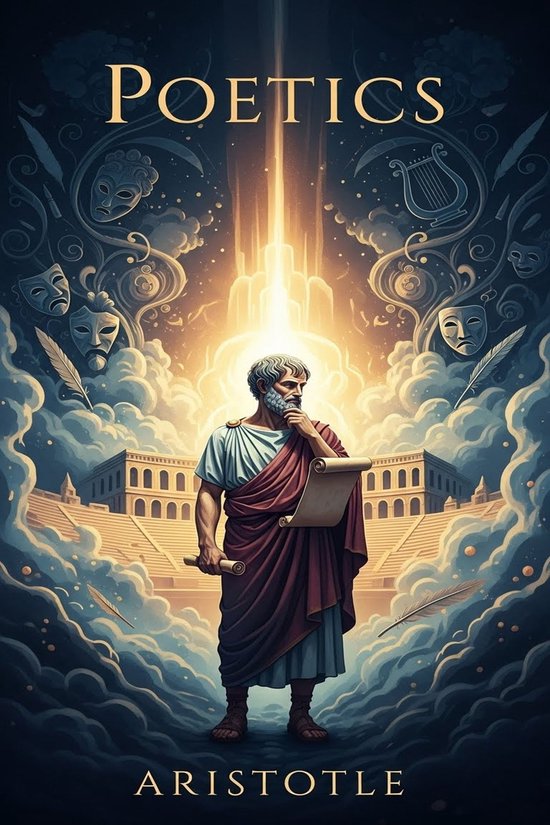
Poetics
Aristotle
- 24 januari 2026
- 9786726000975
Samenvatting:
In this concise analysis of dramatic art, Aristotle identifies the key components that make tragedy a powerful medium for emotional cleansing. He discusses the necessity of a unified plot, the "hamartia" or tragic flaw of the hero, and the cathartic effect of pity and fear on the audience. The text contrasts poetry with history, arguing that poetry is more philosophical because it deals with universals rather than particulars. It remains the primary source for understanding the structure and purpose of classical storytelling.
€ 1,49
Bestel bij Bol.com >