
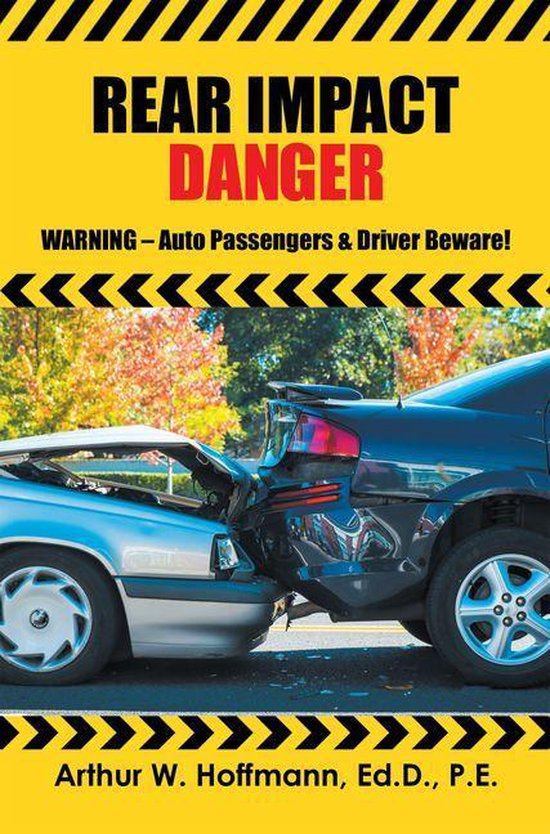
Rear Impact Danger
Arthur W Hoffmann Engd
- 30 april 2020
- 9781663200167
Samenvatting:
Automotive rear impacts are the most common type of car accident, with 2.5 million occuring each year. Most often, the vehicle property damage is minor with no occupant injury. However, more serious rear-end collisions can result in life-changing events. There are two major injury types caused by rear impact accidents. Whiplash (non-lethal injury) and Seat-Collapse (potential serious or lethal injury). Driver and front passenger seats all too often fail, with the seatback collapsing, ejecting the occupants rearward into the rear seat area with serious consequences. Seat design strength requiements are covered by FMVSS 207 Seat Systems Standard. The auto companies rely on this standard to test their seatsdard. The FMVSS 207 standard for seatback strength is flawed auto compaies use this requirement to allow the seatback to deform during a serious rear-impact, to achive enery-management. The controversy over seatback strength, Rigid verus Yielding, continues today. An occupied front seat that collapses during a rear-impact can entrap rear seat occupants, especially children that are required to sit in the rear row seats. Safety advocates and researchers report that for the period 1990 to 2014 nearly 900 children seated behind a front-seated occupant or in a center rear seat died in rear impacts of 1990 and later model-year cars. Law suites are prevalent and multi-million dollar penalties or settlements resulted and litigation continue today. Rear-end crashes also involve vehicle occupants in other automotive design hazards. Use of Child Restraints (CRS) is essentaial.