
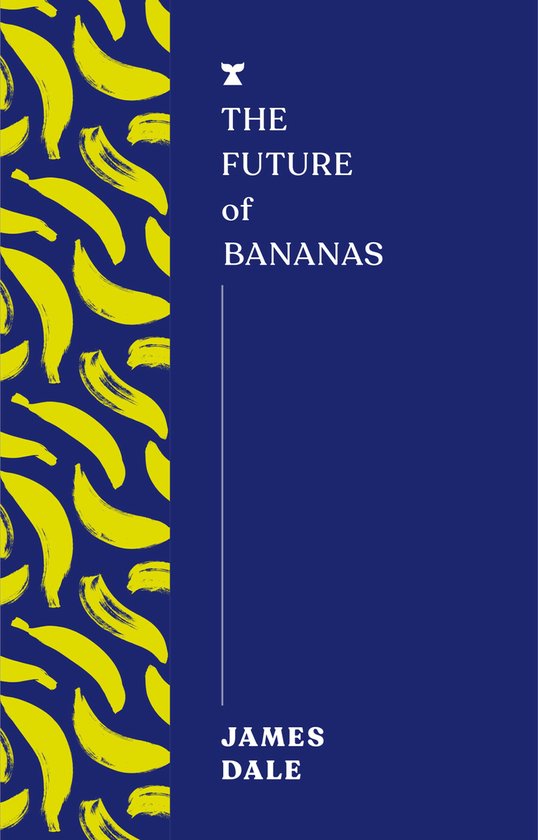
FUTURES 12 - The Future of Bananas
James Dale
- 02 juli 2026
- 9781911545828
Samenvatting:
The banana is the most eaten fruit in the world – but its future is under threat. World expert Professor James Dale contemplates how we'll save the humble banana in this fascinating edition to the FUTURES Series.
The bananas that we see in our supermarkets, eat for breakfast and blend into our smoothies are facing possible extinction. First cultivated thousands of years in ago in the tropics of Southeast Asia, the banana has become the most eaten fruit in the world, with the lucrative banana industry resulting in political coups, drug trafficking and even murder.
While there are thousands of banana varieties, only one has become the western world's favourite – the Cavendish: our familiar curvy, yellow-skinned, soft-fleshed fruit. But our obsession with the Cavendish has come at a cost. Years of selective breeding to produce the fruit we love, and humankinds' migration across the world has left the Cavendish susceptible to disease and climate change – so much so that in years to come they may face extinction. How can we save the future of the banana?
Professor James Dale is leading the way in banana research. Based at Queensland University of Technology in Australia, he and his team have developed the QCAV-4 banana – the world's first genetically modified banana to be approved for commercial production. In the book he presents many scenarios that could be used to save the Cavendish based on the latest research and technological developments, from gene editing, cisgenics, AI design and biofortifiction, all the while bringing to life the colourful history of the banana.
Bananageddon can be prevented, he argues, if the world is ready to embrace a new future led by scientific change.