
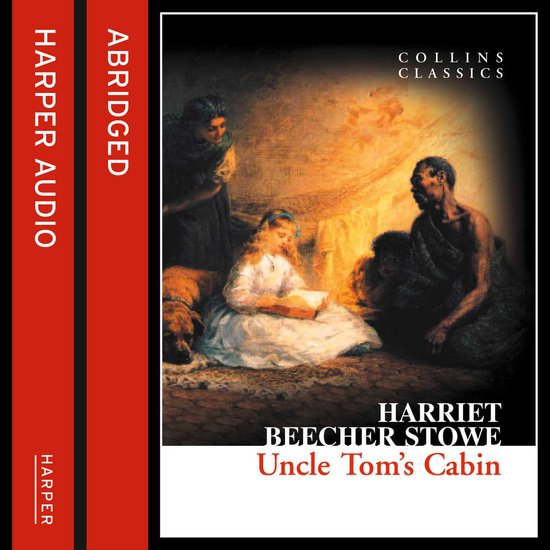
Uncle Tom’s Cabin
Harriet Beecher Stowe
- 15 juni 2005
- 9780007218509
Samenvatting:
'The man's mine and I do what I please with him – that's it!'
Published in 1852, 'Uncle Tom's Cabin' was an immediate success, was influential in securing the abolition of slavery and established Harriet Beecher Stowe as America's first major woman novelist. With a compelling narrative and memorable characters, the novel vividly explores the relationship between slave, trader and owner, and exposes a system in which men, women and even children were property to be bought and sold for profit or to settle debts. Still capable of arousing both compassion and anger, 'Uncle Tom's Cabin' was described by Tolstoy as “one of the greatest productions of the human mind.”
‘One thing is certain, – that there is a mustering among the masses, the world over; and there is a dis irae coming on, sooner or later.’
Viewed by many as fuelling the abolitionist movement of the 1850s and laying the groundwork for the Civil War, Harriet Beecher Stowe’s sentimental and moral tale of slaves attempting to secure their freedom was one of the most popular books of the nineteenth century. Centred round the long-suffering Uncle Tom, a devout Christian slave who endures cruelty and abuse from his owners, Tom is often celebrated as the first black hero in American fiction who refuses to obey his white masters. With other strong protagonists such as Eliza, a courageous slave who flees to the North with her son when she learns that he is to be sold, Beecher Stowe highlighted the plight of southern slaves and the breaking up of black families. Not without its controversy, more recent criticism has suggested that the novel contributed negatively to the stereotyping of the black community.